How to Stay Safe and Comfortable During an Unexpected Power Cut
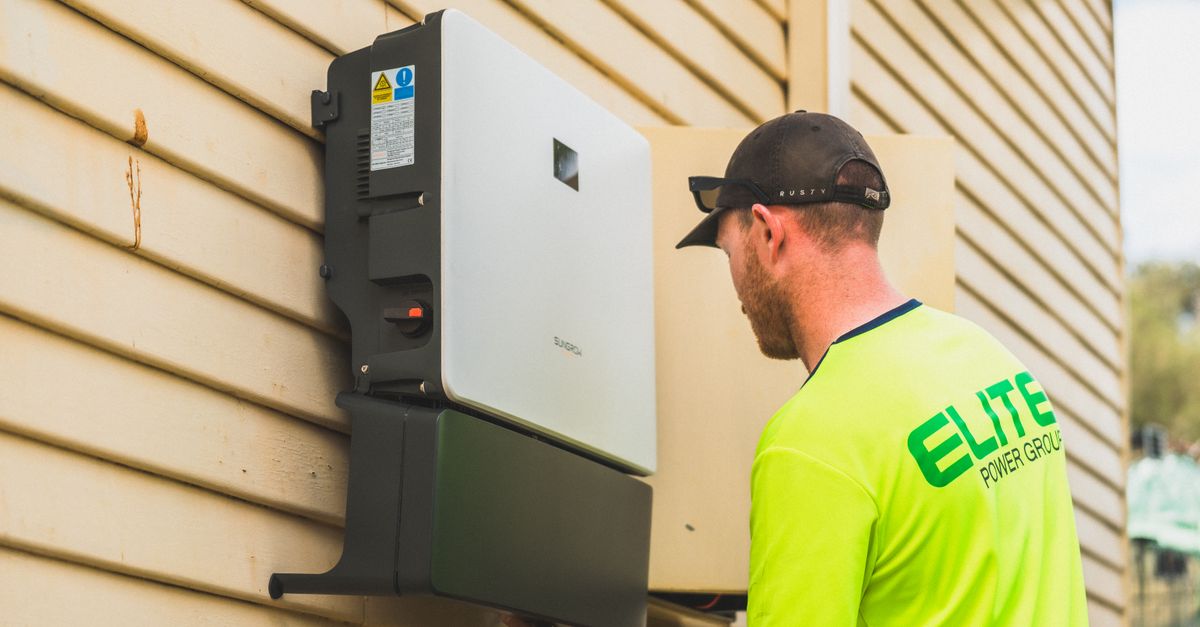
Table Of Contents
Managing Food Safety During Outages
During a power cut, maintaining food safety becomes a top priority. Perishable items in a refrigerator typically remain safe for up to four hours if the door remains closed. Freezing products can last even longer, but their safety diminishes if warm air enters frequently. It’s wise to keep an eye on the internal temperature using a thermometer. If the temperature rises above 4°C, it’s crucial to assess the viability of food before consuming it.
Once power restoration occurs, check each item carefully before deciding to keep or discard. Foods that exhibit an off smell, colour changes or unusual textures should be thrown out. For items kept in the freezer, if they have frozen solid, they may still be safe to refreeze. Always adopt the cautious route regarding food storage during outages to prevent foodborne illnesses.
Best Practices for Refrigeration and Storage
Keeping the refrigerator and freezer doors closed during a power cut is crucial for food safety. Each time the door is opened, cold air escapes and the internal temperature rises. Generally, a full freezer can maintain its temperature for about 48 hours if unopened. It is wise to have a thermometer in both the fridge and freezer to monitor temperatures when power is restored.
If power is out for an extended period, consider transferring perishable items such as meat, dairy, and seafood to an esky filled with ice or ice packs. Organising food items into smaller portions can also help to keep leftovers at a safe temperature for as long as possible. Discard any items that have been above 4°C for more than two hours to prevent foodborne illness.
Alternative Light Sources
When navigating a power cut, ensuring adequate lighting is critical for maintaining visibility and safety within your home. Traditional candles can provide a simple and effective solution, but they also carry risks such as fire hazards. Battery-operated LED lights serve as a safer alternative; they can last for hours or even days on a single set of batteries. Compact lanterns, designed specifically for emergencies, often incorporate features like adjustable brightness levels and hooks for hands-free use, enhancing their practicality.
Another option worth considering is solar-powered lights, which store energy during daylight and can illuminate your space when needed. These lights can be strategically placed outside to act as beacons or along pathways for improved safety. Additionally, keeping a supply of glow sticks can be beneficial for quick illumination and they are a fun choice for children during outages. Having a variety of lighting options ensures you remain prepared and comfortable when the power goes out.
Recommendations for Safe Lighting Options
When dealing with a power outage, it's essential to have reliable alternative light sources at hand. Battery-operated lamps and LED flashlights are excellent options as they provide good illumination while consuming minimal power. Make sure to keep several fully charged batteries ready for use as well. Rechargeable lanterns can also be convenient; they offer the advantage of being easily portable and can often provide bright light for prolonged periods.
Candles can create a warm atmosphere but come with fire risks. Always place them in stable holders, away from flammable materials, and never leave them unattended. Solar-powered lights can be quite effective as well, especially if you have a sunny area where they can charge during the day. Whichever options you choose, ensure they are easily accessible during an outage to help navigate your space safely.
Powering Essential Devices
When facing a power outage, it is crucial to consider how to keep essential devices functional. A portable power bank can charge smartphones and tablets, ensuring communication channels remain open. For those who rely on medical devices, having a backup generator may be necessary. Generators can provide the power needed for life-saving equipment while also supporting other household appliances.
Solar-powered chargers represent another sustainable option for powering devices during an outage. These chargers harness sunlight, making them a reliable choice for extended power cuts. It's advisable to invest in versatile charging solutions that accommodate various devices. Keeping essential gadgets charged and ready can provide peace of mind during unexpected disruptions.
Options for Backup Power Sources
Homeowners should consider investing in a generator, which can provide reliable power during outages. Portable generators are versatile and can supply energy to essential appliances like refrigerators and medical devices. It is crucial to select a generator with appropriate wattage for your needs and ensure proper ventilation to avoid carbon monoxide build-up.
Another option is to utilise battery backup systems. These systems can charge during normal power conditions and discharge when required, making them ideal for powering critical electronic devices. Solar power systems, combined with battery storage, offer an eco-friendly solution for maintaining power during outages. Such systems can decrease reliance on traditional energy sources and reduce long-term power costs.
FAQS
What should I do with my perishable food during a power cut?
Keep the refrigerator and freezer doors closed as much as possible to maintain the cold temperature. Perishable foods in the fridge should be consumed within four hours, while food in a full freezer can last up to 48 hours if unopened.
How can I safely light my home during a power outage?
Use flashlights, battery-operated lanterns, or candles with caution. Ensure candles are placed on stable surfaces away from flammable materials, and never leave them unattended.
What are some reliable backup power sources for essential devices?
Consider investing in a portable generator, power banks, or solar chargers. Ensure any generator is used outdoors to avoid carbon monoxide poisoning and that you follow the manufacturer’s instructions.
How can I prepare my home for a potential power cut?
Keep an emergency kit that includes non-perishable food, water, a flashlight, batteries, and a first aid kit. Also, maintain a charged power bank for your devices and ensure your refrigerator and freezer are at the correct temperatures before an outage.
Is it safe to use my gas stove during a power outage?
Yes, if you have a gas stove, you can use it for cooking. However, ensure proper ventilation and follow safety guidelines, as you should never use outdoor grills or camping stoves indoors due to the risk of carbon monoxide buildup.
Related Links
The Importance of Professional Assistance During Extended Power OutagesEvaluating Backup Power Solutions for Frequent Outages in Adelaide